
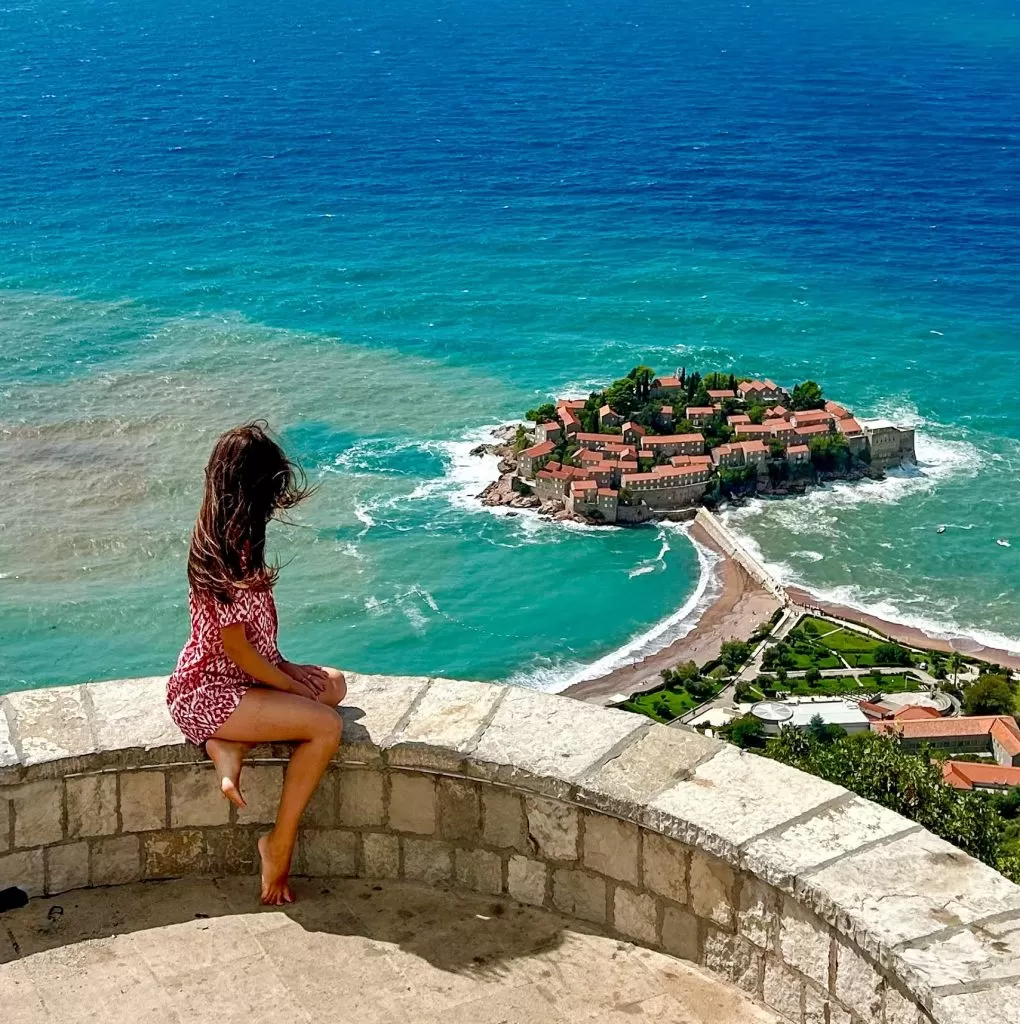
Montenegro, also known as Crna Gora, is a country located in Southeast Europe on the Balkan Peninsula. With a population of approximately 633,158 people and an area of 13,812 square kilometers, Montenegro is one of the smaller countries in Europe. It boasts a diverse landscape characterized by the Mediterranean coast and the Dinaric Alps, making it a prime destination for adventure tourism and relaxation alike.
Geography and Natural Features of Montenegro
Montenegro lies along the southern Adriatic coast, bordered by Croatia, Bosnia and Herzegovina, Serbia, Kosovo, and Albania. Its geographical diversity includes long sandy beaches, rugged mountains, and serene lakes. The country is renowned for its scenic drives that offer breathtaking views of its natural beauty, attracting both tourists and nature enthusiasts.
The Dinaric Alps, stretching across the country, provide excellent opportunities for mountain hiking and exploring wildlife diversity. Notable national parks, such as Durmitor and Biogradska Gora, feature pristine environments and are home to unique flora and fauna. These parks not only serve as recreational areas but also play a crucial role in the conservation of Montenegro’s natural heritage.
Cultural Heritage and Historical Sites in Montenegro
Montenegro‘s rich cultural heritage is reflected in its numerous historical sites, many of which are recognized as UNESCO World Heritage sites. The old town of Kotor, with its medieval architecture and stunning fortifications, is a prime example. This coastal town offers a glimpse into the country’s past and is a popular tourist destination.
Other significant historical sites include the Ostrog Monastery, which is carved into a sheer cliff face, and the ancient city of Budva, known for its vibrant nightlife and beautiful beaches. These locations not only highlight Montenegro’s historical significance but also showcase its traditional festivals and local cuisine, which attract visitors seeking an authentic experience.
Adventure Tourism in Montenegro
Adventure tourism in Montenegro is on the rise, with activities such as rafting, kayaking, and paragliding gaining popularity. The country’s rivers, particularly the Tara River, are famous for their thrilling white-water rafting experiences. Additionally, the stunning landscapes offer excellent opportunities for biking and hiking, making it a haven for outdoor enthusiasts.
Montenegro’s coastal towns, such as Herceg Novi and Tivat, are also thriving centers for water sports. Visitors can indulge in activities like sailing, diving, and windsurfing, all while enjoying the warm Mediterranean climate. This combination of adventure and natural beauty makes Montenegro an attractive destination for those seeking both relaxation and excitement.
Frequently Asked Questions
Was ist die Hauptstadt von Montenegro?
Die Hauptstadt von Montenegro ist Podgorica. Sie ist das politische und wirtschaftliche Zentrum des Landes und beherbergt viele wichtige Institutionen.
Welche Sprachen werden in Montenegro gesprochen?
In Montenegro ist Montenegrin die offizielle Sprache. Daneben werden auch Serbisch, Bosnisch, Albanisch und Kroatisch gesprochen.
Wie ist das Klima in Montenegro?
Montenegro hat ein mediterranes Klima an der Küste mit heißen, trockenen Sommern und milden Wintern. Im Inland, besonders in den Bergen, kann das Klima kühler und feuchter sein.
Was sind die bekanntesten Speisen in Montenegro?
Zu den bekanntesten Speisen in Montenegro gehören ‘Njeguški pršut’ (luftgetrockneter Schinken), ‘Kacamak’ (eine Art Polenta) und frische Meeresfrüchte, besonders an der Küste.
Hat Montenegro Nationalparks?
Ja, Montenegro hat mehrere Nationalparks, darunter den Durmitor-Nationalpark und den Biogradska Gora-Nationalpark. Diese Parks sind bekannt für ihre beeindruckende Natur und Vielfalt an Flora und Fauna.
Wann ist die beste Reisezeit für Montenegro?
Die beste Reisezeit für Montenegro ist im Frühling (April bis Juni) und im Herbst (September bis Oktober), wenn das Wetter angenehm ist und weniger Touristen unterwegs sind.
Montenegro’s blend of stunning landscapes, rich history, and vibrant culture makes it a unique travel destination in Southeast Europe. With its increasing popularity in adventure tourism and focus on sustainable travel, the country continues to attract visitors from around the world.